


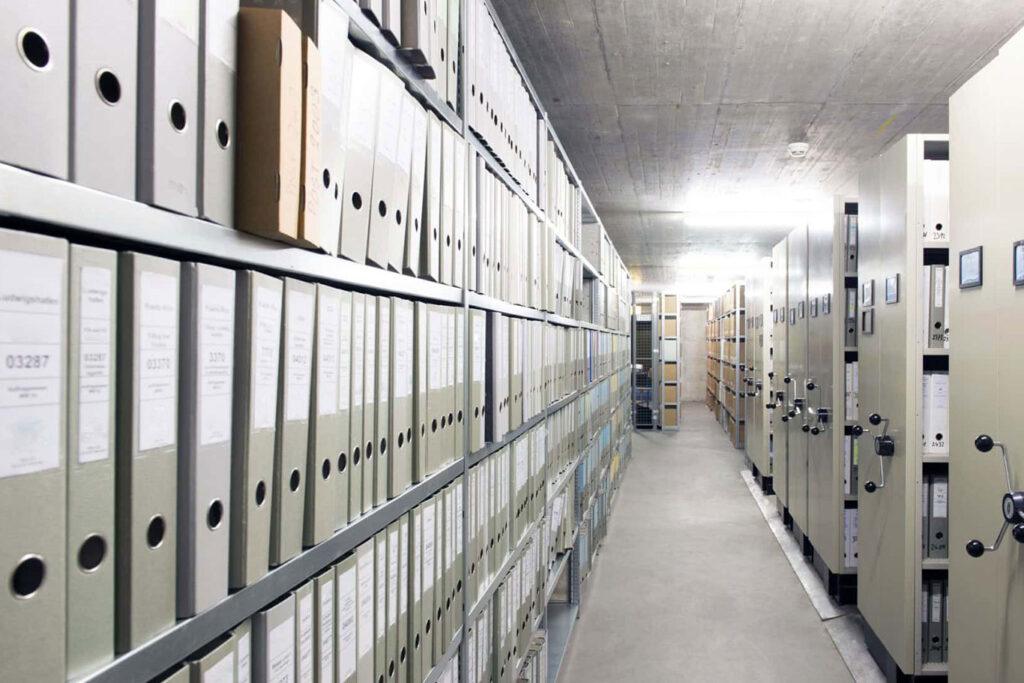
The healthcare sector is under increasing pressure to deliver faster, more secure, and patient-centred services — all while navigating strict data protection regulations and limited physical space. Paper records, once the cornerstone of clinical documentation, are now a liability in modern healthcare settings.
That’s why medical document scanning is becoming critical for GP surgeries, NHS Trusts, private clinics, and healthcare administrators across the UK. By digitising patient files, referral letters, consent forms, and clinical notes, healthcare providers can improve access to information, strengthen compliance, and enhance the quality of care.
In this blog, we explore why scanning medical documents is no longer optional — but essential — in 2026.
The Problem with Paper Records in Healthcare
Despite the shift to electronic health records (EHRs), many practices and hospitals still hold decades’ worth of patient records and administrative files in physical format. Managing these paper files creates significant challenges:
- Time-consuming retrieval of patient notes
- Risk of misfiled or lost records
- Difficulty sharing data between departments or clinicians
- Non-compliance with GDPR or NHS Information Governance
- Expensive off-site storage or overcrowded archives
These issues don’t just impact staff — they affect patient care, continuity, and trust.
What Is Medical Document Scanning?
Medical document scanning is the process of converting paper-based healthcare documents into digital formats. These can include:
- Patient records
- Referral letters
- Diagnostic reports
- Imaging consent forms
- Treatment plans
- HR, finance, and administrative documents
Once scanned, these records can be indexed, searched, stored securely in clinical systems, and accessed by authorised users — often within seconds.
Benefits of Medical Document Scanning for Healthcare Providers
-
Faster Access to Patient Records
Timely access to medical information is vital for accurate diagnosis, treatment planning, and continuity of care. With digitised files, clinicians can:
- Instantly retrieve patient notes from any location
- Search by patient name, NHS number, or keyword
- Access historical data without digging through archives
This speed is crucial in emergency care, multi-site practices, and remote consultations.
-
Improved Data Security and GDPR Compliance
Healthcare providers handle some of the most sensitive personal data. Protecting this information is not only an ethical duty — it’s a legal requirement under UK GDPR and NHS IG (Information Governance) standards.
Medical document scanning supports compliance through:
- Secure, encrypted storage of digital files
- Controlled user access and permissions
- Detailed audit trails for every document
- Reduction in paper records that could be lost or mishandled
Digital records are easier to protect, monitor, and retain in accordance with NHS records management guidelines.
-
Enhanced Patient Experience
Patients increasingly expect efficient and personalised care. Delays caused by missing paperwork or administrative bottlenecks can negatively impact their experience and outcomes.
With digital records, providers can:
- Share information quickly between departments
- Reduce waiting times for referrals or treatment
- Offer continuity even when staff change or move sites
- Improve communication with patients and other care providers
Ultimately, scanned documents support smoother, safer patient journeys.
-
Free Up Valuable Space and Resources
Paper archives take up valuable clinical and office space. Whether stored on-site or off-site, they require ongoing costs for storage, security, and maintenance.
By digitising your documents, you can:
- Reclaim space for treatment or admin areas
- Cut long-term storage and transport costs
- Reduce paper handling, filing, and scanning time for staff
Medical document scanning is an investment that pays for itself in efficiency and cost reduction.
-
Support for Digital Health Initiatives
NHS England and healthcare regulators continue to push for greater digital maturity across the sector. Scanning existing records aligns your organisation with national goals for integrated care, paperless working, and digital-first services.
Medical document scanning is a vital step in your digital transformation journey.
Why Choose Plan2Scan for Medical Document Scanning?
Plan2Scan provides secure, NHS-compliant medical document scanning for healthcare organisations of all sizes — from individual GP surgeries to multi-site Trusts and private practices.
Our services include:
- Secure collection and chain of custody
- High-resolution scanning with OCR
- Indexing to meet NHS or internal filing structures
- Encrypted file delivery or upload to your systems
- Optional secure shredding and certification
With experience in healthcare environments and compliance-driven sectors, we deliver solutions that meet clinical, legal, and operational requirements.
Learn more on our Medical Document Scanning page.
Phone: 0333 577 3226
Email: info@plan2scan.co.uk
Frequently Asked Questions (FAQs)
Q1: What types of medical records can be scanned?
A1: We scan patient records, referrals, diagnostic reports, forms, consent documents, and administrative records — including large-format files or legacy archives.
Q2: Is medical document scanning compliant with NHS data regulations?
A2: Yes. Our scanning services meet NHS Information Governance standards and UK GDPR requirements. We ensure secure handling, encrypted storage, and full audit trails.
Q3: Can scanned records be uploaded to our existing patient record system?
A3: Absolutely. We provide files in compatible formats and can work with your IT provider to ensure seamless integration with your practice management or EHR system.